Few three-letter acronyms trigger stronger reactions in Florida real estate than HOA. Ask ten homeowners how they feel about their association and you'll likely get five passionate defenses and five

Dated: September 19 2026
Views: 2
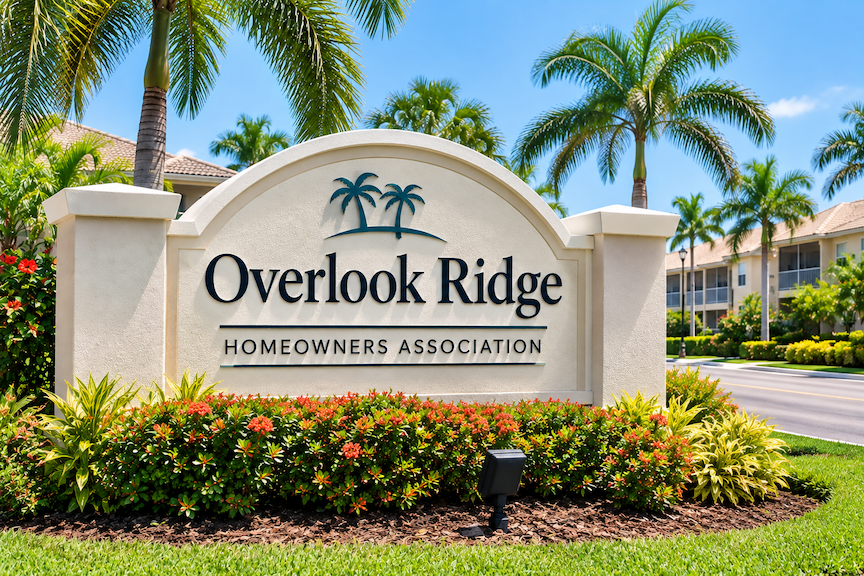
Few three-letter acronyms trigger stronger reactions in Florida real estate than HOA. Ask ten homeowners how they feel about their association and you'll likely get five passionate defenses and five colorful complaints — sometimes from people in the same neighborhood. Understanding how HOAs and condo associations actually work, and what the law requires during a sale, protects both buyers and sellers from unpleasant surprises at the closing table.
A homeowners' association is a nonprofit corporation formed to maintain common areas, enforce community standards, and manage shared amenities. In exchange for mandatory dues, an HOA typically handles landscaping of common areas, pool and clubhouse upkeep, gate security, and enforcement of architectural and aesthetic rules set out in the community's recorded covenants.
Pros:
Cons:
They're often lumped together, but they're legally distinct:
| Condo Association (COA) | HOA (single-family/townhome) | |
|---|---|---|
| Governing law | Chapter 718, Florida Statutes | Chapter 720, Florida Statutes |
| What you own | The interior airspace of your unit; the building, roof, and structure are common elements | The land and structure of your home; the HOA typically governs only shared common areas |
| Financial exposure | Structural integrity reserve studies (SIRS), milestone inspections, and shared building liability — much higher special-assessment risk post-Surfside reform | Generally lower shared structural risk, though reserves and amenity upkeep still apply |
| Insurance | Master policy covers the building; owner insures interior/contents (HO-6 policy) | Owner insures the whole structure |
Given Florida's post-Surfside condo safety laws (milestone inspections and mandatory structural integrity reserve studies), condo buyers today need to dig deeper into an association's finances and building condition than single-family HOA buyers typically do.
Florida leads the nation in association-governed living. Roughly 9.5 million Floridians live in about 3.88 million homes across more than 49,800 community associations statewide — condos, HOAs, and cooperatives combined. Separately, industry directories that track association contact data put the statewide count at more than 60,000 HOAs with over 230,000 board members, a difference that comes down to how "association" is defined and counted.
Before a Florida property in an association goes on the market, the seller (or their agent) should line up:
Having these ready before listing avoids delays once a buyer is under contract and the statutory clock starts running.
Florida law requires that any contract for property in a mandatory association include specific statutory disclosure language, and the buyer gets a real right to walk away after seeing the actual numbers:
These rescission rights can't be waived by contract language — any attempted waiver has no legal effect.
The seller bears the statutory obligation and cost of producing the governing documents, financials, and required disclosures — the condo resale statute specifically says the buyer is entitled to these "at the seller's expense." The estoppel certificate is typically ordered by the closing agent or title company but is usually paid by the seller under the listing contract. Listing agents share responsibility for making sure the required contractual disclosure language and rescission notice actually appear in the purchase agreement — missing it can make the contract voidable by the buyer regardless of timing.
Given how much money rides on reserve adequacy, pending litigation, and rental restrictions and how technical Florida's condo statute has become since 2022, it's a reasonable and increasingly common recommendation that buyers hire a Florida real estate attorney experienced in community association law to review the governing documents and financials during the rescission window, at the buyer's own expense. A few hundred dollars spent reviewing a reserve study or litigation history can prevent a five- or six-figure surprise after closing.
Florida's HOA and condo landscape is dense, legally and literally, especially in a market like Brevard County where hundreds of associations govern everything from beachfront condo complexes to inland single-family subdivisions. The law gives buyers real protection (mandatory disclosures, rescission rights), but it puts the burden on sellers to get the paperwork right and on buyers to actually read what they're given. Whether someone loves or hates the idea of an HOA, going in informed, with the right documents in hand and, when the stakes warrant it, an attorney's eyes on the fine print, is what separates a smooth closing from a contentious one.
With deep roots in Melbourne, Florida and the many communities that make up Brevard County and our Space Coast, it is my pleasure to provide outstanding client services to buyers and sellers as an age....
Few three-letter acronyms trigger stronger reactions in Florida real estate than HOA. Ask ten homeowners how they feel about their association and you'll likely get five passionate defenses and five
When a senior is selling their home, one of the biggest decisions may be whether they should remain in the home during the sale or move out before it goes on the market. There is no universal right
After years of walking through homes with buyers and sellers: it's never really about square footage. It's about the moment someone walks in and thinks, "I could see myself here." That feeling doesn
I've sat across the kitchen table from a lot of families in this exact moment, grieving a parent or loved one, holding a stack of paperwork, and wondering what on earth to do with the house. As a
 These listings are provided by the IDX Program of Brevard County, Florida. Real Estate listings held by brokerage firms other than NextHome Space Coast Experts are marked with the IDX Logo and detailed information about them includes the name of the listing brokers. IDX information is provided exclusively for consumers' personal, non-commercial use, and may not be used for any purpose other than to identify prospective properties consumers may be interested in purchasing. Information Deemed Reliable
But Not Guaranteed.
Copyright 2026 Space Coast Association of REALTORS, Inc
Show More...
These listings are provided by the IDX Program of Brevard County, Florida. Real Estate listings held by brokerage firms other than NextHome Space Coast Experts are marked with the IDX Logo and detailed information about them includes the name of the listing brokers. IDX information is provided exclusively for consumers' personal, non-commercial use, and may not be used for any purpose other than to identify prospective properties consumers may be interested in purchasing. Information Deemed Reliable
But Not Guaranteed.
Copyright 2026 Space Coast Association of REALTORS, Inc
Show More...
