Few three-letter acronyms trigger stronger reactions in Florida real estate than HOA. Ask ten homeowners how they feel about their association and you'll likely get five passionate defenses and five

Dated: August 31 2026
Views: 302

I've sat across the kitchen table from a lot of families in this exact moment, grieving a parent or loved one, holding a stack of paperwork, and wondering what on earth to do with the house. As a Seniors Real Estate Specialist who works with probate and trust administration regularly, this is one of the questions I get asked most: "I just inherited a home. What do I do first?"
The honest answer is: it depends on how you inherited it. So let's start there.
Which Situation Are You In?
You're named in a will. In most cases, the home has to pass through probate before ownership legally transfers to you. Until the court closes that process, you generally can't sell or refinance the property, even though it feels like it should already be "yours."
You're the successor trustee. If the home was held in a living trust, you likely skip probate altogether. But don't mistake that for less responsibility, as trustee, you're managing the property on behalf of the beneficiaries, and that comes with real fiduciary duties, even when you're one of the people inheriting.
You hold a life estate. You have the right to live in the home for your lifetime, but you don't own it outright. A "remainderman" inherits full ownership when you pass, which means selling or borrowing against the property usually requires their sign-off, too.
What I Tell Every Client to Do First
1. Track down the key documents. Start with the will, trust, or life estate deed, plus the current mortgage statement, tax bill, insurance policy, and most recent deed. These tell us exactly what we're working with and who else may have a stake in the property.
2. Secure the house right away. Change the locks, confirm the insurance is still active — call the carrier, since vacant-home clauses can quietly reduce or void coverage — and keep an eye on utilities so systems don't fail while no one's living there.
3. Don't let payments lapse. Mortgage, property taxes, HOA dues, none of that pauses for probate or trust administration. I've seen missed payments create liens and foreclosure risk on top of an already overwhelming situation.
4. Get a real valuation, not a guess. A proper market analysis or appraisal establishes the home's value as of the date of death. This matters for taxes, for splitting things fairly among heirs, and for deciding what makes sense next.
5. Build your team early. A probate attorney, an estate attorney or CPA, and a Realtor who's actually familiar with inherited and trust property, these professionals can catch title issues, liens, or tax exposure before they turn into expensive surprises.
6. Then decide: keep, rent, or sell. Once the legal side is settled, this is the real question. It usually comes down to the home's condition, any debt against it, how many heirs are involved, and what makes sense for everyone's finances and timeline.
Why This Matters
In my experience, the families who come out of this process feeling good about their decisions are the ones who got ahead of these basics early, securing the home, keeping payments current, and getting an accurate valuation, before making any big calls. The families who struggle are usually the ones who waited.
If you've recently inherited a home, or you think you might soon, I'm happy to talk through what your options look like. No pressure, just a conversation from someone who's walked other families through exactly this.
This is general information, not legal, tax, or financial advice, probate rules, trust requirements, and life estate laws vary by state, so I always recommend looping in a qualified attorney or tax professional for your specific situation.
Barbara Asinari, Realtor®, SRES®
NextHome Space Coast Experts
321-960-2375
barbaraj625@gmail.com
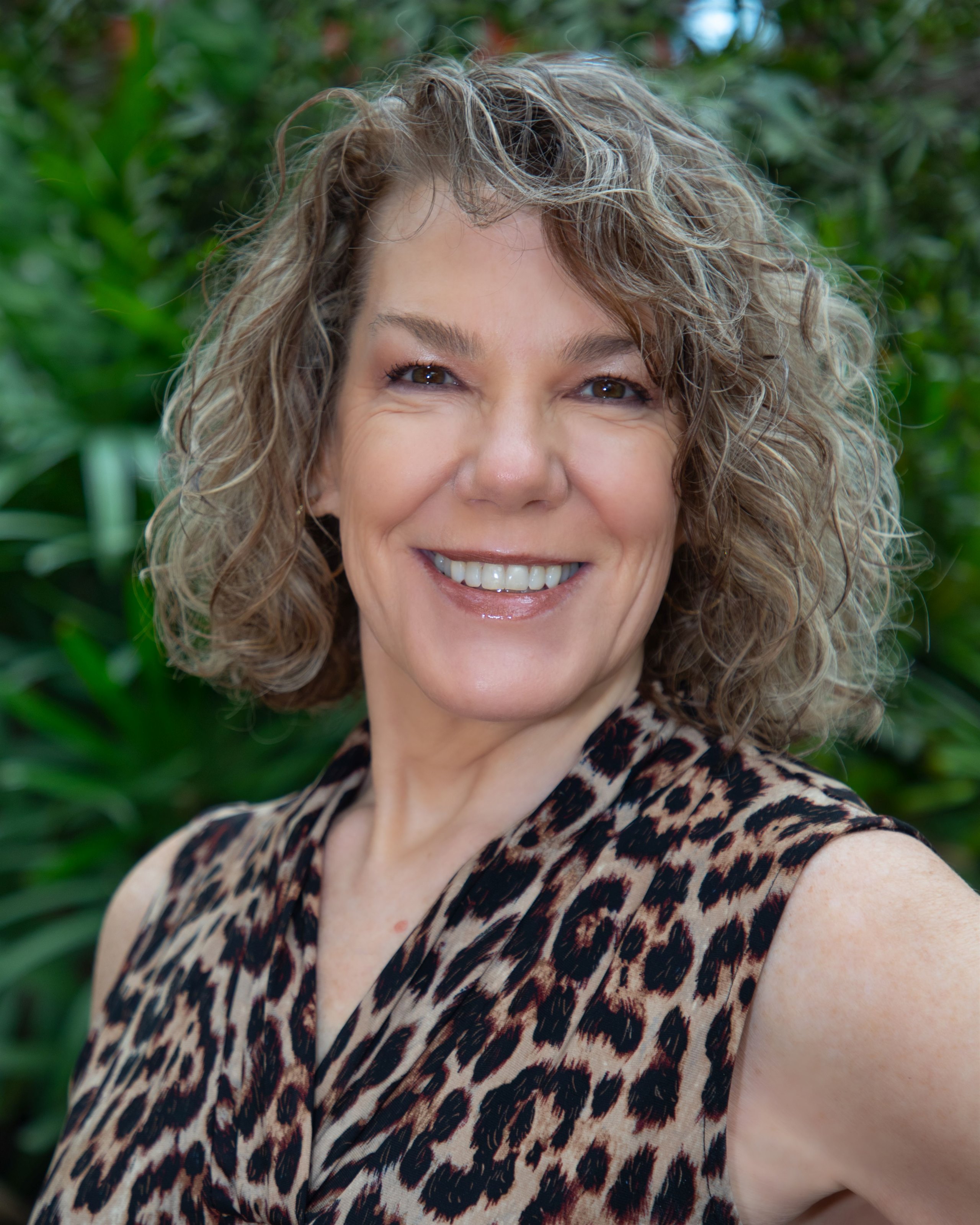
With deep roots in Melbourne, Florida and the many communities that make up Brevard County and our Space Coast, it is my pleasure to provide outstanding client services to buyers and sellers as an age....
Few three-letter acronyms trigger stronger reactions in Florida real estate than HOA. Ask ten homeowners how they feel about their association and you'll likely get five passionate defenses and five
When a senior is selling their home, one of the biggest decisions may be whether they should remain in the home during the sale or move out before it goes on the market. There is no universal right
After years of walking through homes with buyers and sellers: it's never really about square footage. It's about the moment someone walks in and thinks, "I could see myself here." That feeling doesn
I've sat across the kitchen table from a lot of families in this exact moment, grieving a parent or loved one, holding a stack of paperwork, and wondering what on earth to do with the house. As a
 These listings are provided by the IDX Program of Brevard County, Florida. Real Estate listings held by brokerage firms other than NextHome Space Coast Experts are marked with the IDX Logo and detailed information about them includes the name of the listing brokers. IDX information is provided exclusively for consumers' personal, non-commercial use, and may not be used for any purpose other than to identify prospective properties consumers may be interested in purchasing. Information Deemed Reliable
But Not Guaranteed.
Copyright 2026 Space Coast Association of REALTORS, Inc
Show More...
These listings are provided by the IDX Program of Brevard County, Florida. Real Estate listings held by brokerage firms other than NextHome Space Coast Experts are marked with the IDX Logo and detailed information about them includes the name of the listing brokers. IDX information is provided exclusively for consumers' personal, non-commercial use, and may not be used for any purpose other than to identify prospective properties consumers may be interested in purchasing. Information Deemed Reliable
But Not Guaranteed.
Copyright 2026 Space Coast Association of REALTORS, Inc
Show More...
